There is a particular kind of loneliness that comes from loving someone who is still here. Tony Vericella knows it well. He has lived inside it for nearly eight years, ever since his wife Dana was diagnosed with Alzheimer’s in the fall of 2018. But out of that loneliness, he has built something that has reached thousands of families across Hawaiʻi and beyond.
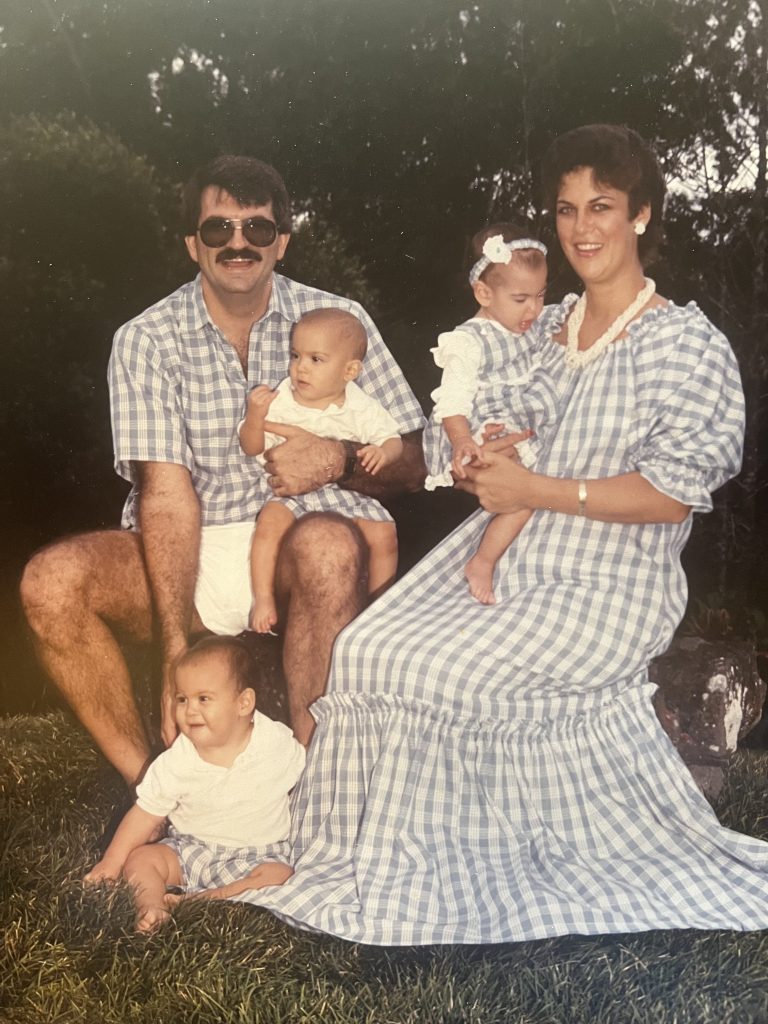 Tony and Dana met at a backyard barbecue in Los Angeles in September 1976. They married, here on O’ahu, four years later and this September marks 46 years of marriage. For most of those decades, life was full in familiar ways: raising their triplets; building successful careers in their respective fields; traveling with friends; trying new restaurants; hosting elaborate holiday dinners that showcased Dana’s gifts as a cook and baker. It was, by Tony’s own account, a rich and busy life.
Then he began noticing changes. Dana, always precise about where things belonged, began misplacing objects that mattered to her.
She’d call, disoriented, from a route she had driven hundreds of times. Tony recognized the pattern immediately. He had watched it unfold once before, in his mother, who lived with Alzheimer’s for 14 years before she passed. Recognition didn’t make the diagnosis any easier to hear. “Anger, fear,
frustration,” he says of that day. “What are we actually going to do about this?”
|
The years that followed tested him in ways he hadn’t anticipated. Dana became combative, verbally and physically, as the disease progressed, and Tony stepped away from his career to care for her full-time.
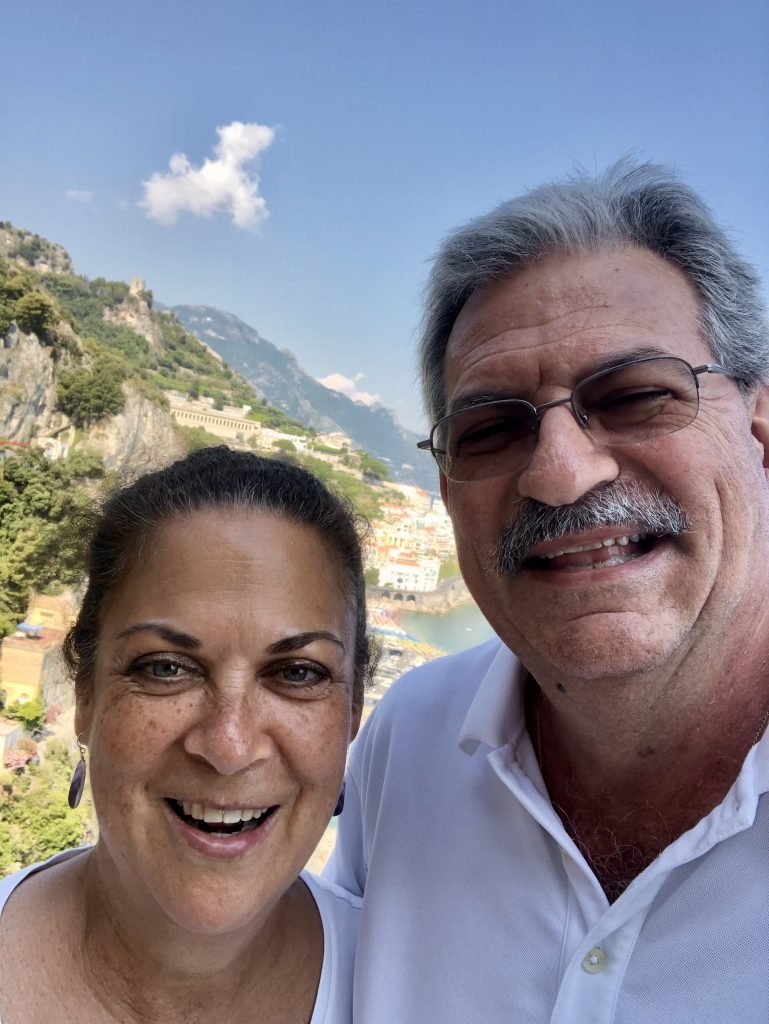 In 2019, they left their Honolulu condo for the Big Island, moving closer to family who could help share the weight of it. In 2019, they left their Honolulu condo for the Big Island, moving closer to family who could help share the weight of it.
Before the move, they allowed themselves one last journey together, to the Amalfi Coast, understanding it might be their final trip abroad.
He describes this stage with a kind of hard-won honesty: it is, in some ways, calmer than what came before. There is no more fighting against what needs to be done, but it carries its own ache. The uncertainty of not knowing how many years remain. The quiet accounting of all the plans that will now go unrealized. “You wonder,” he says, “if this is going to be your life for the next ten or more years.”
turning pain into purpose
|
Rather than let that uncertainty hollow him out, Tony turned toward it. In 2022, frustrated by how scattered and overwhelming caregiving information was — exactly when a person has the least capacity to sift through it — he began collecting and organizing what he had learned into short, usable pieces. He reached out to contacts at Hawai’i News Now to help produce brief videos for caregivers who don’t have time for long videos or articles. On Tony and Dana’s anniversary, September 21, 2023, Alzheimer’s Caregiving & The Caregivers was launched.
As Tony was preparing the launch, he learned the date also happened to be World Alzheimer’s Day.
Tony’s message is clear: everyone knows someone touched by dementia, and no one should have to search for help the way he once did, nor be alone on their journey.
|
He is candid, too, about what has been lost: the holidays, the shared decision-making, the intimacy, the small daily companionship that goes unnoticed until it’s gone.
“You’re around people all the time,” he says, “but it’s a very lonely existence.”
He allows himself moments of sadness, sitting with Dana, before purposefully returning to whatever comes next. He has learned, with his children’s support, to step away occasionally to rest, understanding that his ability to care for Dana depends on caring for himself too.
|
a compass for him and for others
|
Tony often returns to two things that remind him to meet Dana with patience rather than frustration: messages of hope, support and inspiration, as well as a poem, written from the perspective of a spouse living with dementia. Both are provided on the website with the hope that other caregivers will find comfort in these words. Tony understands that Dana feels his tone and energy even when words no longer reach her. The poem has become something of a compass for him, a way of choosing presence over despair.
To caregivers just beginning this road, Tony offers what he’s learned the hard way: the frustration, the guilt, the exhaustion, the grief for a life you thought you’d have — all of it is normal, and none of it makes you a bad caregiver. Ask for help before you think you need it. Build a team, even a small one, so you’re never carrying this alone. And take the respite when it’s offered, because you cannot pour from an empty cup. “We’ve got to make something positive out of this,” he says. And for thousands of caregivers across Hawaiʻi and beyond who now have a place to turn, he already has.
|
are you a caregiver or know one who is?
|
|
|
|
