Should you track your nutrition?
Want to keep your brain sharp? It starts with what’s on your plate. Your brain runs best when you feed it the right fuel. Both the big stuff (carbs, proteins, fats) and the little stuff (vitamins and minerals) are important for a healthy brain. Think of macronutrients as the main course and micronutrients as the necessary seasonings that make everything work together. Micronutrients play a crucial role in your overall health.
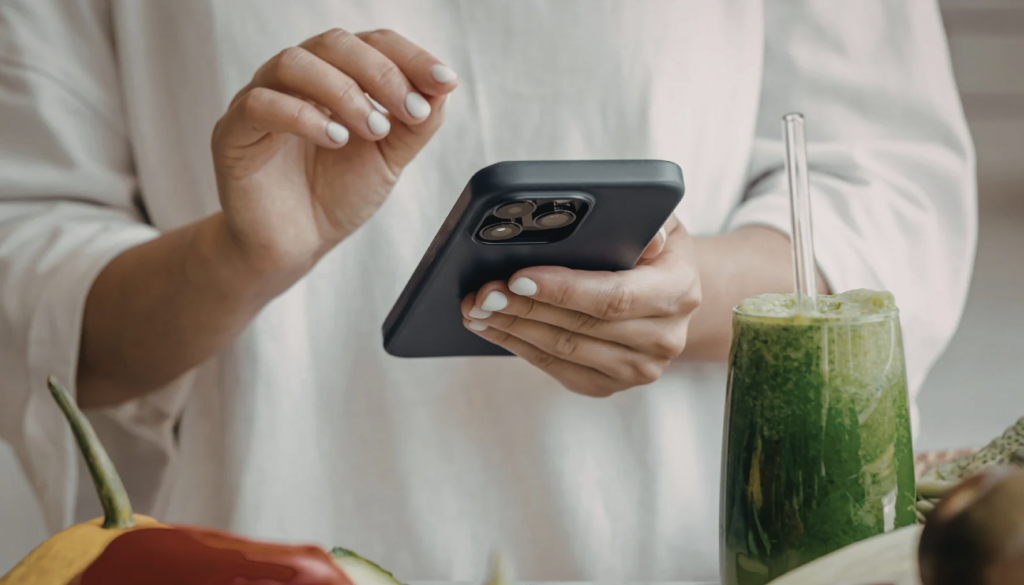
The good news? Your smartphone can now help you track all this, making it easier than keeping a paper food diary.
What Are Food Tracking Apps?
These digital tools let you log your meals and snacks right from your phone. Most work like this: you type in what you ate, scan a barcode, or even snap a photo, and the app calculates your calories and nutrients. You’ll get daily summaries showing how you’re doing and whether you’re hitting your health goals.
The photo feature using AI is neat but not quite perfect yet. It’s getting better, and before long it will make tracking that much easier.
Why Bother?
Food tracking apps can show you patterns you might otherwise miss. Are you getting enough of those brain-boosting nutrients? Eating too much of something else? The app helps you see the big picture.
It’s important to work with your doctor or nutritionist first to set your personal goals. Then use the app to stay on track and share your progress at your next visit.
Choosing the Right App
Look for these features:
Easy to use – If it’s complicated, you won’t stick with it. Find one with a clean, simple layout.
Big food database – More foods listed means less typing. Barcode scanning is a real time-saver. Make sure it has verified nutrition data.
Tracks what matters – For brain health, you want an app that tracks vitamins and minerals, not just calories.
Community support – Some people love connecting with others for motivation and tips.
Three Apps Worth Trying
Cronometer – Tracks everything in detail, including all those important vitamins and minerals for brain health. It’s also HIPAA compliant, so your doctor can securely access your data if they subscribe to the pro version.
MyFitnessPal – This is one of the original food tracking apps and has a huge food database. It’s a good choice if you eat out often, since it includes many restaurant menus. It offers community features and exercise tracking too.
MyNetDiary – Another solid choice that covers both the big and small nutrients.
All three offer free versions or affordable subscriptions. Download from the Apple App Store (iPhone) or Google Play Store (Android).
You may want to consider getting a kitchen scale for home cooking. Weighing and measuring food can be useful to give you a more accurate idea of servicing sizes. Since it may be hard to do this all the time, you can also use a hand method to estimate portion sizes.
Food tracking apps aren’t for everyone
Skip them if you’ve struggled with eating issues or tend to stress over getting things “just right.” Chat with your doctor or therapist first if you’re unsure. And if you do try one? Pay attention to how it makes you feel. If it adds worry instead of helping, it’s okay to delete it!
Key takeaways
These apps turn your meals into useful information, but they’re just tools to give you an estimate for your calories and nutritional intake. They can’t force you to eat better, but they make it much easier to see what you’re eating and whether you’re meeting your goals.
Most importantly: Don’t stress about logging every single thing perfectly. Enjoy your food! Having an ono meal with your ohana is good for your soul, and that matters for your overall health too. Everything in moderation.
Your action plan:
- Talk to your doctor or qualified nutrition professional about your brain health nutrition goals
- Download a tracking app that fits your needs
- Share your progress at checkups
- Get blood tests when recommended to identify which vitamins you may be deficient in
Here’s to keeping your mind sharp while still enjoying life’s pleasures!