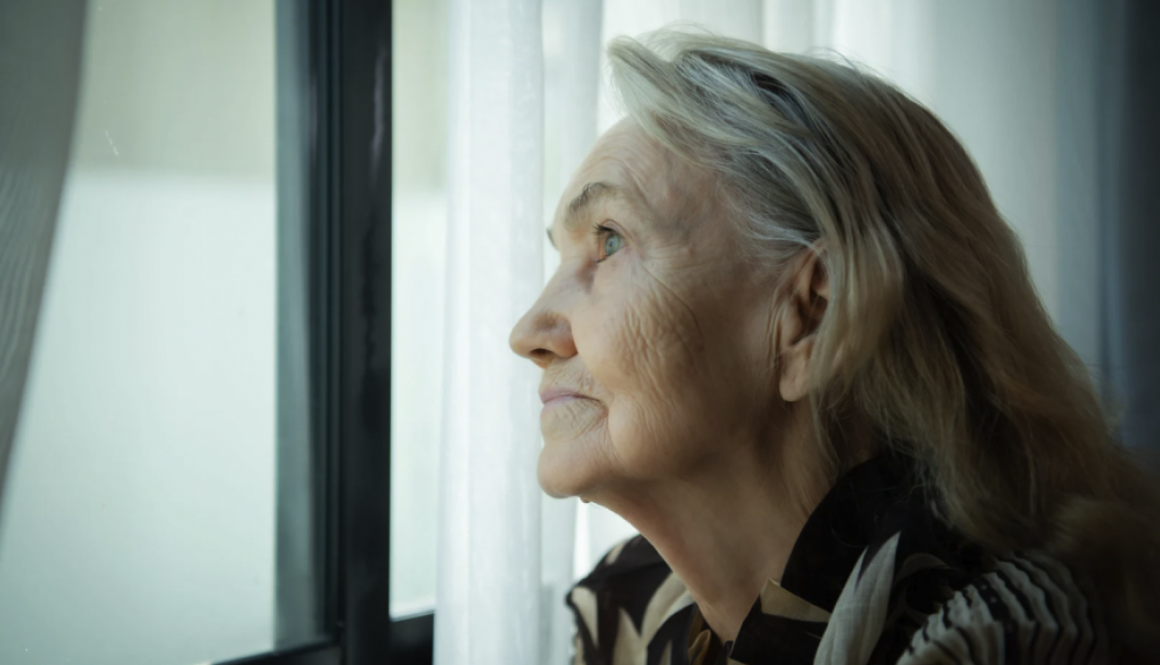
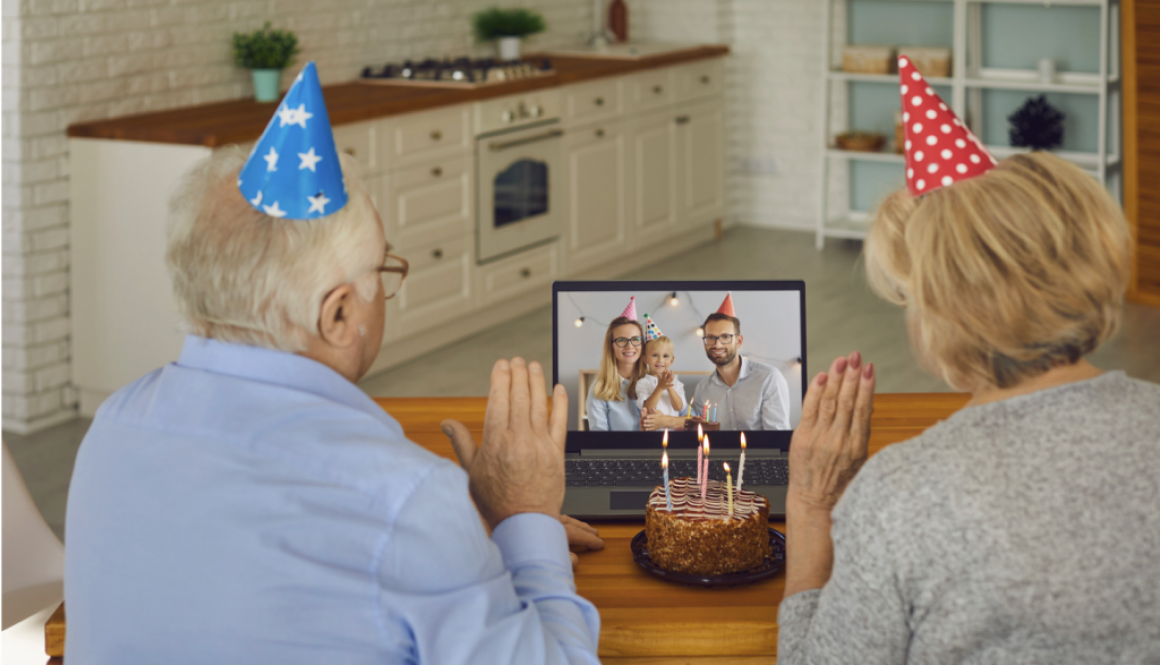
When we lose a spouse, retire from a career, or simply find that the world has grown quieter around us, it’s easy to slip into a kind of solitude that begins to feel normal. But what the science tells us, and what one of the nation’s top public health officials has declared a full-blown crisis, is that prolonged isolation is far more dangerous than most of us realize.
A national wake-up call
In 2023, U.S. Surgeon General Dr. Vivek Murthy issued a landmark advisory titled “Our Epidemic of Loneliness and Isolation.” Its findings were striking: roughly half of all American adults report experiencing measurable loneliness, and that was true even before the COVID-19 pandemic made things worse.
Dr. Murthy didn’t mince words. He called social connection “a critical and underappreciated contributor to individual and population health,” and argued that we have “an opportunity, and an obligation” to treat social isolation with the same urgency we’ve brought to tobacco use, obesity, and the addiction crisis.
Before we go further, it helps to understand a key distinction the report makes. Social isolation, i.e. the objective lack of regular contact with other people, is not the same as loneliness, which is the subjective feeling of being disconnected. You can be lonely in a crowded room, and you can be socially isolated without fully recognizing it. Both are harmful. But social isolation, in particular, carries measurable, biological consequences for your body and your brain.
As dangerous as smoking
That might sound like an overstatement, but it isn’t. The research is unambiguous: lacking meaningful social connection can shorten your life as much as smoking up to 15 cigarettes a day. Socially isolated individuals face a significantly higher likelihood of premature death compared to those with strong social ties. The advisory also found that poor social relationships are linked to a 29% increased risk of heart disease and a 32% increased risk of stroke.
These aren’t just statistics about feelings. Isolation creates real, measurable changes inside the body.
What it does to the aging brain
For older adults especially, the effects on brain health are some of the most concerning findings of all.
Think of staying socially active as exercise for your brain. It builds what researchers call “neural reserve,” a kind of cognitive buffer that helps keep your mind sharp and your brain networks running efficiently. When social connection disappears, that buffer begins to erode.
Here’s what the research shows:
Dementia risk rises sharply. Social isolation is associated with roughly a 50% increased risk of developing dementia. Studies have even found that isolated individuals tend to have higher levels of the brain proteins linked to Alzheimer’s disease.
Cognitive decline accelerates. Older adults who are socially isolated tend to experience faster decline in memory, processing speed, and the executive functions that help us plan, focus, and make decisions.
The body goes into stress mode. Isolation activates the body’s stress response systems, leading to chronic inflammation and elevated levels of cortisol, which is the body’s stress hormone. Over time, both of these can damage the hippocampus, the part of the brain most responsible for forming and storing memories.
How the downward spiral works
One of the most important things to understand about social isolation is that it doesn’t stay still. It tends to compound.
Isolation is closely linked to poor sleep, physical inactivity, and a tendency to skip medical care. Each of those things, in turn, further depletes brain health and opens the door to depression and anxiety. Depression then deepens withdrawal. Withdrawal deepens isolation. And around it goes.
What you can do
Recognizing social isolation as a genuine health risk, not a personal failing or a phase to wait out, is the first and most important step. Here are some places to begin:
- Tell someone. Simply opening up to one trusted person can begin to lift the weight. You don’t have to have all the answers. Just start the conversation.
- Look for structured community. Senior wellness programs at your local Y, faith communities, and volunteer organizations provide regular, built-in opportunities for connection.
- Start small. A Mahjong class. A walk with a neighbor. A letter to a pen pal. Connection doesn’t have to be grand to be meaningful.
- Accept that it’s okay to need people. As Dr. Murthy’s advisory puts it, social connection is not a luxury. It is a fundamental human need, and tending to it is an act of health, not weakness.
The good news is that the brain responds to connection at any age. It is never too late to rebuild social ties, and the benefits begin almost immediately.